She is not a queen, not a celebrity, not a modern icon. She is a woman seated quietly before a distant landscape. More than five hundred years after Leonardo da Vinci painted her in the early sixteenth century, the Mona Lisa remains one of the most recognizable faces in the world, and people still travel across continents simply to stand in front of her.
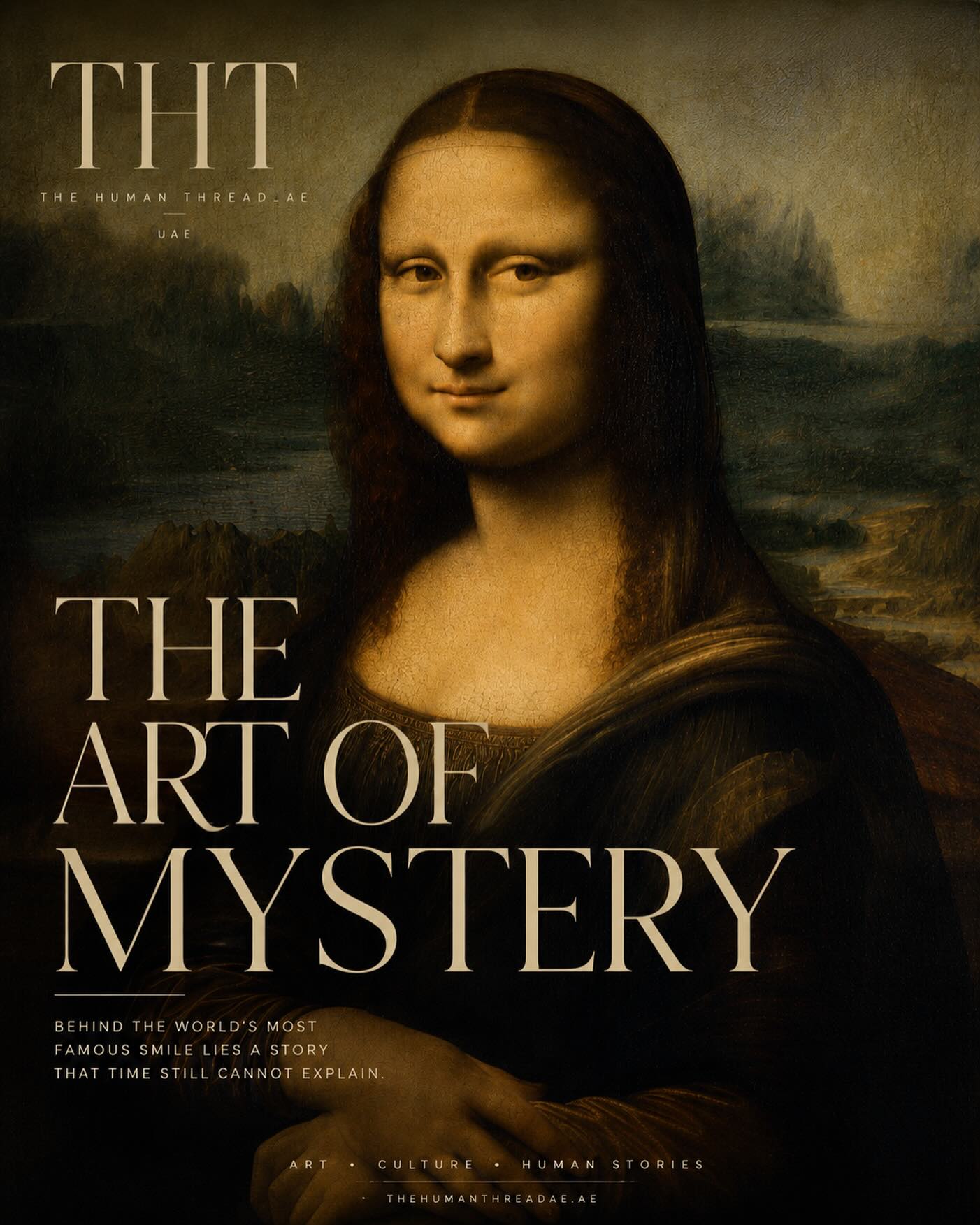
They do not come because of her size, or any sense of wealth. They come because of a question that the portrait refuses to settle: what is she thinking? Her expression appears to shift with every glance. Some see happiness, others sadness. Some read confidence, others mystery. The painting has long since become more than a work of art; it has become a symbol of curiosity itself.
Perhaps the secret of the Mona Lisa is that she reflects something different back to each person who looks at her. Great art rarely tells us exactly what to think. Instead it invites us into a conversation, and this portrait has been holding that conversation open for centuries, across wars, theft, criticism, admiration, and changing cultural tastes. Through all of it she has remained timeless.
In a world obsessed with speed and certainty, she reminds us that not everything needs to be explained. Some things are meant to be felt.
That may be why her gaze continues to hold the world's attention. Behind every face is a story, and some stories remain beautifully unfinished. The Mona Lisa stays with us not because she answers the question she raises, but because she lets each of us answer it ourselves.